
Bengaluru
Around 2010, my father had cancer and I came back from abroad and watched him flip into a coma and then one day he breathed his last right in front of me. When you see somebody die in front of your eyes, death becomes real. Otherwise it is a very abstract concept. What do we build our lives for, and what is our underline theme for it?
I was able to sit back and immerse myself in my immediate reality. The problem with people today is that they live in their abstract realities. The main reason why man is plundering nature and destroying it is because of human beings’ desperation to own things. That need for possession is felt only because we think we are here forever to enjoy.
After my father’s demise, I took some time to look into what to settle in and one of the things I did was to quit my job, and re-examine all my life’s choices.
I realised at some point in college I was really fond of nature, sustainability and the environment, which I had ignored later on because I had gotten into the rat race.

I gave up all that and went back to what was real and what I cared for. I started studying about sustainability and the environment, and the more I started dwelling deeper into these issues, I realized that the biggest threat is that people are unaware of it. There is very low awareness on any of these facts.
For me, one of the primary challenges I thought was to spread awareness and I realized the education system is broken. People absorb only what they want to, whatever we prioritise is what we want, and we don’t really take in information that we don’t want. I also stumbled upon the concept of ‘community’, which has gone out of our lives. The community is a way to go, and building and having interactions among these communities is a possible way to work on agendas. Through this, people become more aware what they need to know and how to empower to make changes.
The first citizens engagement oriented initiative was formed called the ‘Citizens Agenda for Bengaluru’, and here we started driving think-tank activities and building policies around governance, city planning and transport. Then on, I formed more and more communities to engage a wide audience in different fields, such as transport, water security, lake conservation and farming. Now I have around 10 communities in all which aim at citizen engagement and action.
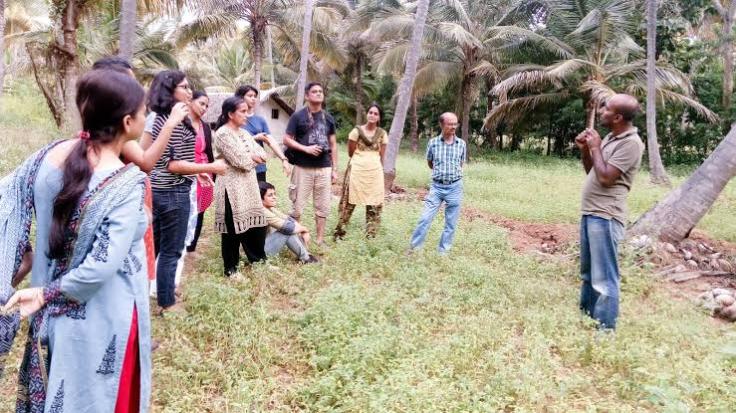
A paradigm shift is required, and one cannot solve a problem using the same paradigm that you related it with. I don’t really have a goal, and I let things evolve on their own.
Do check out the various community initiatives that Sandeep Anirudhan has undertaken in the link below
 ronnan
 Quote the Unquoted...